Plain-language answer
Diabetic retinopathy occurs when diabetes damages small retinal blood vessels. Early disease may have no symptoms, but advanced disease can cause swelling, bleeding, scar tissue, traction, retinal detachment, and permanent vision loss.
What it is
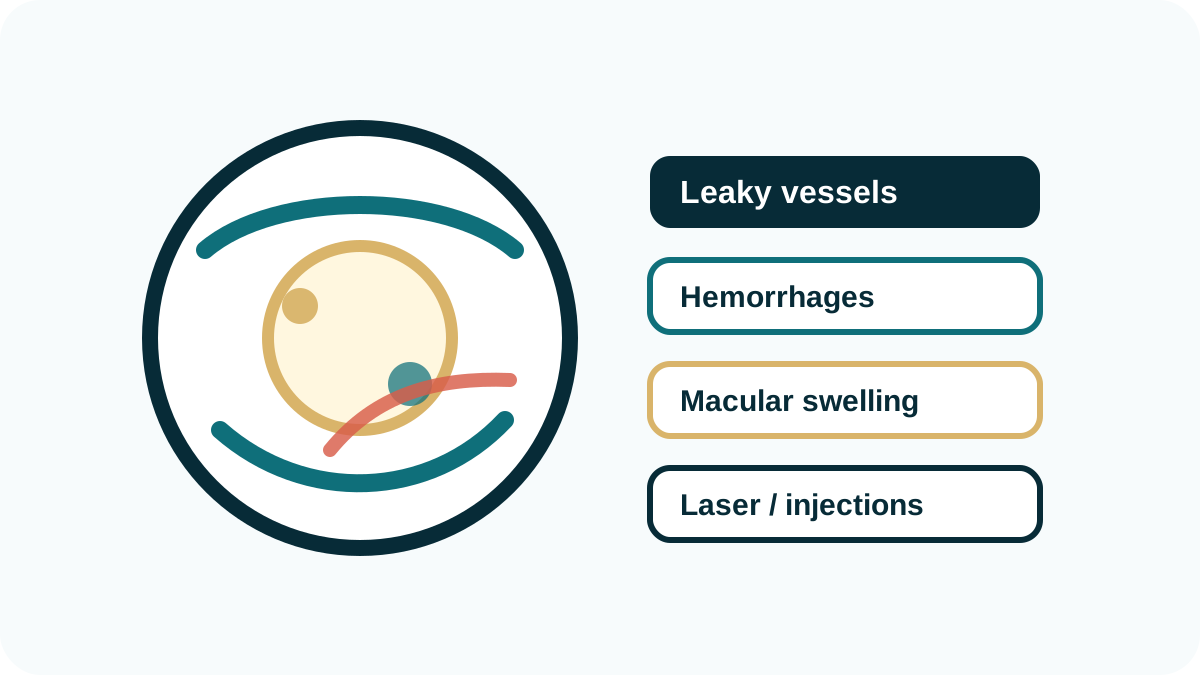
Diabetic retinopathy ranges from mild nonproliferative changes to proliferative diabetic retinopathy, where abnormal new blood vessels grow because the retina is not getting enough oxygen. These fragile vessels can bleed into the vitreous or create scar tissue that pulls on the retina.
Diabetic macular edema can occur at any stage and causes swelling in the macula, the center of the retina responsible for detailed vision.
Symptoms and warning signs
Symptoms may include blurred vision, fluctuating vision, floaters, dark spots, distortion, or sudden vision loss. Because early disease may be silent, regular retinal exams are important even when vision seems normal.
Urgent symptoms include a shower of new floaters, sudden haze, a curtain or shadow, or rapid loss of vision, which can suggest bleeding or retinal traction.
Diagnosis and staging
Evaluation may include a dilated retinal exam, OCT imaging for macular swelling, fundus photography, and fluorescein angiography or OCT angiography when blood flow or abnormal vessels need closer assessment. Staging helps determine whether observation, injections, laser, surgery, or closer monitoring is needed.
Treatment options
Treatment may include anti-VEGF injections for diabetic macular edema or proliferative disease, focal or panretinal laser in selected cases, and vitrectomy surgery for non-clearing vitreous hemorrhage, tractional retinal detachment, or severe scar tissue. Visit frequency depends on severity and may range from a few weeks during active treatment to several months for stable monitoring.
Why specialized retina care matters
Dr. Chavala combines high-volume medical and surgical retina experience with advanced imaging to identify treatable disease early. Coordination with the patient’s primary care doctor or endocrinologist is often important because blood sugar, blood pressure, kidney disease, and cholesterol can influence progression.
Why choose Retina of North Texas
Diabetic eye disease often requires repeated imaging, timely treatment decisions, and coordination with the patient’s broader medical care. Dr. Chavala uses OCT-guided evaluation and retinal examination to distinguish observation-level disease from findings that need injections, laser, or surgery. The goal is to protect vision while keeping the plan understandable for the patient and referring doctor.
For patients with active bleeding, traction, severe swelling, or sudden visual decline, same-clinic-day urgent evaluation is available when possible. Retina of North Texas also accepts Medicare, Medicaid, and most major insurance plans, helping diabetic patients maintain consistent specialty follow-up.
For patients who need injection treatment, Dr. Chavala has extensive high-volume experience, with >99% safety rate for eye injections in practice experience.
Frequently asked questions
Can diabetic retinopathy improve?
Some swelling and abnormal blood vessel activity can improve with injections, laser, better systemic control, or surgery when needed. Existing retinal damage may not fully reverse, so early diagnosis is important.
When should a diabetic patient see a retina specialist?
Patients should see a retina specialist if they have diabetic macular edema, proliferative diabetic retinopathy, bleeding, traction, retinal detachment concern, or unexplained vision changes.
How often do I need follow-up for diabetic retinopathy?
Follow-up depends on severity. Stable mild disease may be monitored less often, while active swelling, bleeding, or proliferative disease may require visits every few weeks during treatment.
Is diabetic retinopathy always symptomatic?
No. Many patients have significant retinal changes before noticing symptoms, which is why regular dilated eye exams and retinal imaging are important.
Not sure whether you need a retina specialist?
Review the warning signs and conditions that should prompt retinal evaluation.
When should you see a retina specialist? →