Plain-language answer
Floaters are shadows from material in the vitreous gel inside the eye. Many floaters are benign, but new floaters with flashes, bleeding, a curtain, or vision loss can signal a retinal tear or detachment and should be checked urgently.
What it is
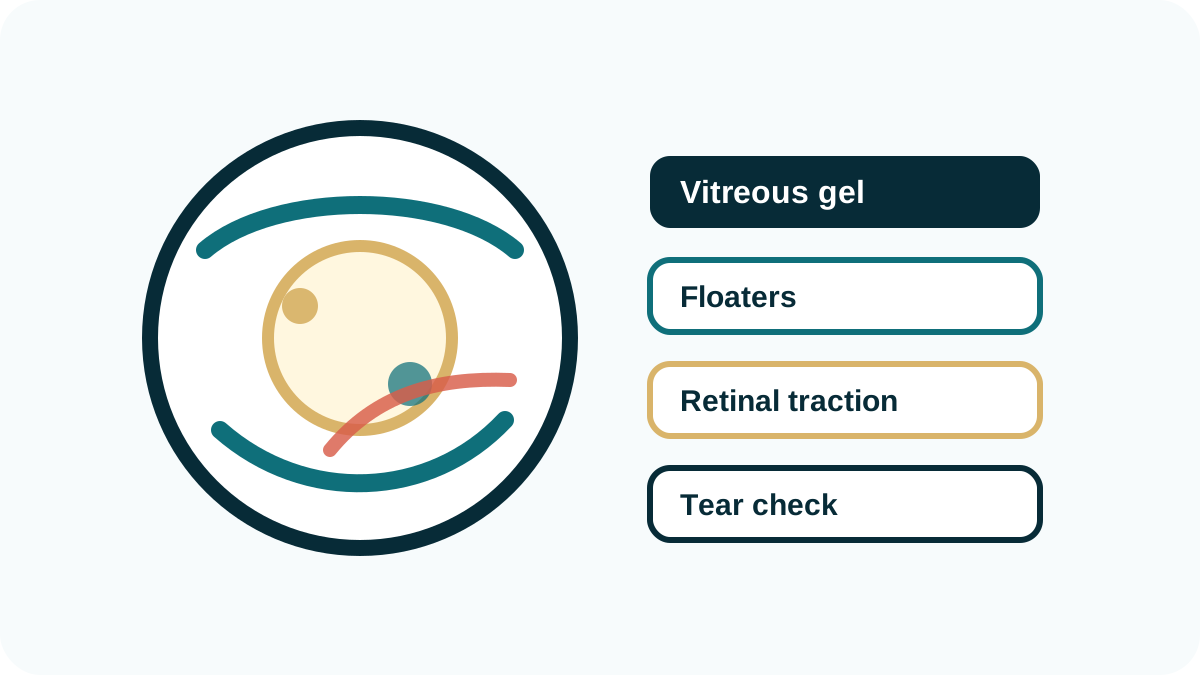
The vitreous is the clear gel that fills the eye. With age, it can separate from the retina in a process called posterior vitreous detachment. This is common, but the traction can sometimes create a retinal tear, bleeding, or detachment.
Symptoms that need urgent care
Call promptly for a sudden shower of floaters, flashes of light, a dark curtain or shadow, peripheral vision loss, or sudden vision decline. These symptoms are especially important in patients with high myopia, prior retinal tear, trauma, cataract surgery, or family history of retinal detachment.
Diagnosis
Evaluation includes a dilated exam of the peripheral retina to look for tears, holes, lattice degeneration, hemorrhage, or detachment. Ultrasound may be needed if bleeding or other opacity prevents a clear retinal view.
Treatment options
If a retinal tear is found, laser retinopexy or cryotherapy may be recommended to reduce the risk of detachment. If no tear is present, observation and return precautions are often appropriate. Follow-up may be needed because tears can occasionally develop after the first exam.
Patient-centered access
Retina of North Texas prioritizes urgent symptoms such as new flashes, floaters, curtain-like vision loss, and sudden vision changes. Same-clinic-day evaluations are available when possible, with most urgent visits typically completed in 1 hour or less.
Why choose Retina of North Texas for new floaters
The most important step in evaluating new floaters is not simply confirming that floaters exist; it is making sure there is no retinal tear, bleeding, or early detachment. Dr. Chavala performs a careful peripheral retinal examination and uses imaging or ultrasound when needed to evaluate the retina despite hemorrhage or a limited view.
Patients receive specific return precautions because symptoms can evolve after an initial posterior vitreous detachment. Retina of North Texas prioritizes urgent symptoms such as new flashes, sudden floaters, a curtain or shadow, and sudden vision change, with same-clinic-day evaluation available when possible.
For patients with persistent floaters but no tear, reassurance is paired with education about what changes matter. A stable floater pattern is different from a sudden new shower of dots, flashes, shadow, or peripheral field loss, which should prompt urgent reassessment.
Frequently asked questions
Are floaters always dangerous?
No. Many floaters are harmless, but new or sudden floaters should be evaluated because they can be associated with retinal tears or bleeding.
Why do flashes happen?
Flashes can occur when the vitreous pulls on the retina. They may be benign, but they can also accompany a retinal tear.
When should I call for floaters?
Call urgently for a sudden increase in floaters, flashes, a curtain or shadow, or any sudden loss of vision.
Can floaters be removed?
Most floaters are observed. Treatment is considered only in selected cases, especially when floaters are severe or associated with another retinal problem.
Not sure whether you need a retina specialist?
Review the warning signs and conditions that should prompt retinal evaluation.
When should you see a retina specialist? →