Plain-language answer
A retinal tear can allow fluid to pass under the retina and progress to retinal detachment, a vision-threatening emergency. New flashes, floaters, a curtain or shadow, or sudden vision loss should be evaluated urgently by a retina specialist.
What it is
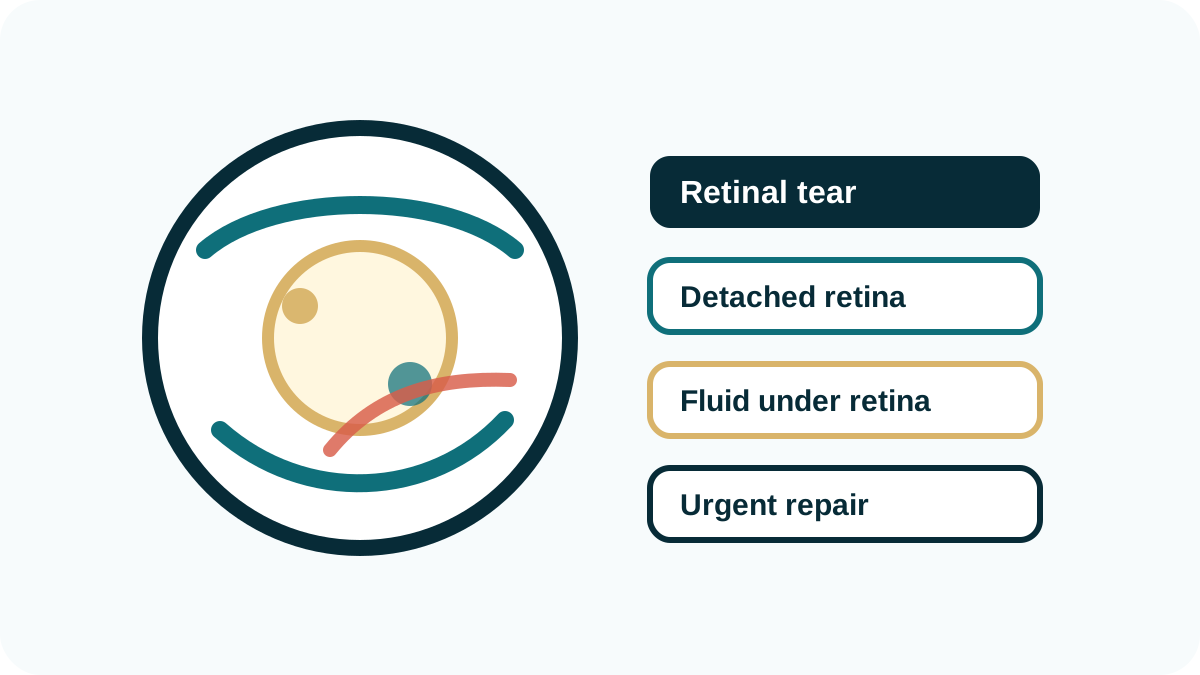
The retina is the light-sensitive tissue lining the inside of the eye. A tear can occur when the vitreous gel pulls strongly on the retina. If fluid travels through the tear and separates the retina from the wall of the eye, a retinal detachment develops.
Symptoms
Warning signs include new flashes of light, a sudden increase in floaters, a dark curtain or shadow, peripheral vision loss, or sudden decline in vision. Detachment may not be painful, so absence of pain does not make it less urgent.
Diagnosis
Evaluation includes a dilated peripheral retinal exam with careful inspection for holes, tears, lattice degeneration, bleeding, or detached retina. Imaging or ultrasound may be used when the view is limited by hemorrhage, cataract, or other media opacity.
Treatment options
Retinal tears may be treated with laser retinopexy or cryotherapy to create a scar around the break. Retinal detachment repair may involve pneumatic retinopexy, scleral buckle, pars plana vitrectomy, laser, gas, or silicone oil, depending on the location, size, lens status, macula status, and complexity of the detachment.
Complex retinal detachment expertise
Dr. Chavala manages primary detachments as well as complex cases involving proliferative vitreoretinopathy, giant retinal tears, trauma, diabetic traction, high myopia, and re-operations. Same-clinic-day urgent evaluations are available when possible, with most urgent visits typically completed in 1 hour or less.
Why choose Retina of North Texas for urgent detachment symptoms
Retinal tear and detachment symptoms are stressful because timing matters and patients often need decisions quickly. Dr. Chavala has performed more than 15,000 retina procedures and surgeries, including complex vitreoretinal operations, and evaluates the full peripheral retina to determine whether laser, cryotherapy, office treatment, or surgical repair is needed.
The practice is designed to support urgent access. Patients with new flashes, a shower of floaters, curtain-like vision loss, or sudden vision decline should call directly. Same-clinic-day urgent retina evaluations are available when possible, with most urgent visits typically completed in 1 hour or less.
If surgery is needed, postoperative instructions may include positioning, activity limits, eye-drop schedules, and temporary restrictions on air travel when a gas bubble is used. These details are reviewed carefully because recovery planning is an important part of successful detachment care.
Frequently asked questions
Is retinal detachment an emergency?
Yes. Retinal detachment can cause permanent vision loss and should be evaluated urgently, especially with a curtain, shadow, or sudden vision loss.
What is the difference between a retinal tear and detachment?
A tear is a break in the retina. A detachment occurs when fluid passes through a break and lifts the retina away from the eye wall.
How soon do I need surgery for retinal detachment?
Timing depends on the macula status, symptoms, and detachment anatomy, but urgent evaluation is needed to determine the safest treatment plan.
Can a retinal tear be treated in the office?
Many retinal tears can be treated with laser or cryotherapy in the office, but retinal detachment often requires a surgical plan.
Not sure whether you need a retina specialist?
Review the warning signs and conditions that should prompt retinal evaluation.
When should you see a retina specialist? →